
Electric Cars and the Environment
Electric Cars and the Environment have become one of the most discussed topics in the modern age of technology and sustainability. With the world moving toward a greener future, electric vehicles (EVs) are no longer just luxury items; they represent a shift toward eco-friendly transportation and energy efficiency. As countries pledge to reduce carbon emissions and combat climate change, electric cars are now viewed as one of the key solutions to create a cleaner and healthier planet.
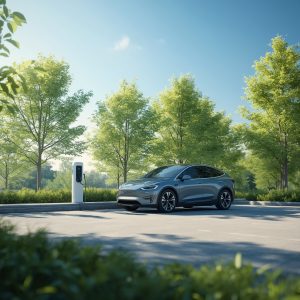
The push toward Electric Cars and the Environment is not just about technological progress — it’s about the survival of the planet and the need to move away from fossil fuels. Every time someone chooses an electric vehicle, they contribute to reducing greenhouse gas emissions, air pollution, and noise pollution in urban environments. With government incentives, improved battery technology, and increasing awareness of environmental damage caused by gasoline vehicles, EVs are rapidly transforming how we think about mobility.
In this article, we will explore the many sides of Electric Cars and the Environment, from their environmental benefits and challenges to their role in shaping the future of sustainable energy.
The Growing Connection Between Electric Cars and the Environment
The connection between Electric Cars and the Environment is stronger today than ever before. Electric vehicles rely on electricity rather than gasoline or diesel, which means they do not emit harmful tailpipe pollutants such as carbon monoxide, nitrogen oxides, or particulate matter. These pollutants are a major cause of respiratory illnesses, smog, and climate change.
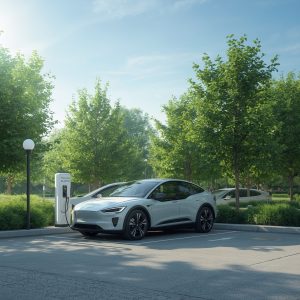
A related keyword is zero-emission vehicles, which perfectly describes electric cars. By operating on electricity, EVs produce zero emissions while driving, creating a significant reduction in the carbon footprint of transportation. Another important concept is sustainable energy solutions, as EVs align with renewable power sources such as solar and wind energy. When electric cars are charged using renewable energy grids, they become almost entirely carbon-neutral.
Many studies show that widespread adoption of electric vehicles can lead to dramatic reductions in national greenhouse gas levels. In cities plagued by pollution, such as Los Angeles, Delhi, or Beijing, the increase in electric cars could cut smog levels and improve air quality drastically.
At the same time, the production of electric vehicles must also be considered. The life-cycle emissions — from battery manufacturing to disposal — play a role in determining how green EVs truly are. Manufacturers are now working toward sustainable battery recycling methods to ensure that the benefits of Electric Cars and the Environment are maximized throughout their lifespan.
Energy Efficiency and the Impact on Climate
Energy efficiency is one of the strongest advantages of Electric Cars and the Environment. Electric motors convert over 80% of the electrical energy from the battery into motion, compared to only 20% to 30% for traditional internal combustion engines. This difference means less waste and more sustainable transportation.
Renewable energy integration is key to achieving full environmental benefits. When electric vehicles are powered by solar energy or wind power, they create a closed cycle of clean energy production and usage. The combination of EVs and renewable energy sources significantly reduces dependency on coal and petroleum, leading to lower carbon emissions.
However, challenges remain. One such issue is the battery production impact. Lithium-ion batteries, used in most electric cars, require mining materials such as lithium, cobalt, and nickel — processes that can have environmental consequences if not properly managed. This is where the keyword green technology innovation comes into play. Manufacturers and researchers are continuously developing alternative materials and recyclable battery technologies to minimize ecological impact.
In addition, energy-efficient charging stations are being developed to ensure that electric car infrastructure supports sustainable use. As more consumers adopt electric cars, the need for smart grids and renewable power sources becomes increasingly critical. Governments around the world are funding research and policies to ensure that electric cars remain truly green, not just in operation but across their entire value chain.
Economic and Environmental Benefits of Electric Cars
The economic aspect of Electric Cars and the Environment cannot be ignored. Electric vehicles are becoming more affordable and accessible due to advances in battery technology and government incentives. Reduced maintenance costs, no oil changes, and lower energy expenses make EVs financially appealing to consumers.
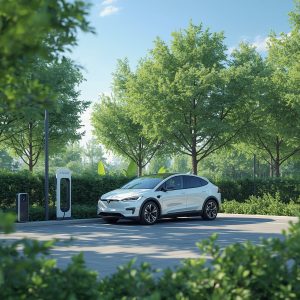
Sustainable transportation systems are now the backbone of many urban development projects. Cities are installing EV charging networks, providing free or discounted parking for electric cars, and offering tax rebates for buyers. These incentives encourage people to choose electric vehicles, directly reducing air pollution and noise levels in densely populated areas.
One key keyword in this context is eco-friendly innovation. Companies like Tesla, Nissan, and Rivian are driving global transformation by merging high performance with environmental responsibility. These vehicles not only look stylish but also symbolize a cultural change — one that values sustainability over convenience.
Another major benefit is energy independence. By reducing reliance on imported oil, electric vehicles strengthen national energy security. Countries investing in clean mobility solutions can decrease their vulnerability to fuel price fluctuations and geopolitical tensions. This shift supports long-term stability and contributes to the broader goals of environmental preservation.
Ultimately, the rise of electric vehicles creates a ripple effect that impacts both the economy and the planet. As production scales up, renewable energy infrastructure improves, and consumers shift to greener habits, Electric Cars and the Environment become central to the global sustainability agenda.
Challenges and Future Outlook
While Electric Cars and the Environment hold great promise, challenges remain that must be addressed for true sustainability. One of the main concerns is battery disposal and recycling. If not managed correctly, the toxic elements in used batteries can pose serious environmental risks. Therefore, industries are focusing on closed-loop recycling systems that allow materials like lithium and cobalt to be reused.
Another issue is charging infrastructure. Many regions, especially in developing countries, still lack adequate public charging stations. Expanding renewable energy-based grids and fast-charging technologies will be essential to make EVs more practical for long-distance travel.
There’s also the question of electric grid capacity. As millions of electric cars plug into the grid, power demand could rise substantially. To handle this, utilities must invest in smart charging systems and renewable storage solutions. When managed properly, these systems can balance energy supply and demand, ensuring a cleaner, more stable grid.
Public perception is another barrier. Some consumers remain skeptical about EV range, battery life, and repair costs. Education and awareness campaigns are crucial to demonstrate the real-world advantages of electric cars — such as reduced emissions, lower running costs, and a positive impact on air quality.
Governments and corporations alike are beginning to implement green mobility strategies, aiming to phase out gasoline vehicles entirely by mid-century. The automotive industry’s investment in electric technology is a clear sign that the transition is inevitable. As innovation accelerates, prices will drop, infrastructure will expand, and Electric Cars and the Environment will define the future of transportation.
The Road Ahead for Electric Cars and the Environment
Looking toward the future, the role of Electric Cars and the Environment will only grow more significant. We are witnessing a paradigm shift from pollution-driven mobility to clean, renewable, and intelligent transportation systems. The focus will be on carbon-neutral cities, sustainable mobility ecosystems, and environmentally conscious consumers.
Emerging technologies such as solid-state batteries, vehicle-to-grid systems, and AI-driven efficiency tools will reshape how we interact with transportation. Imagine cars that not only run on clean energy but also return unused power back to the grid — a perfect example of the symbiosis between humans, machines, and nature.
In the coming years, the emphasis on sustainability in design and manufacturing will push automakers to adopt eco-certified materials and circular production models. The entire lifecycle of a vehicle — from extraction to recycling — will reflect a deep respect for the environment.
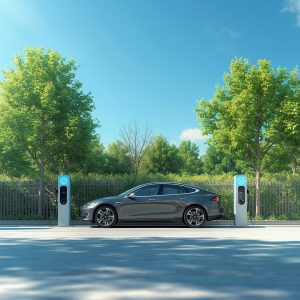
Ultimately, Electric Cars and the Environment represent hope — the hope that technology and sustainability can coexist harmoniously. They are a promise that the choices we make today can lead to a cleaner, healthier, and more equitable planet for future generations.
The world’s transition toward electric vehicles is not just a trend; it’s a global revolution. As consumers, policymakers, and innovators work together, we can achieve a transportation system that serves both people and the planet.
By embracing Electric Cars and the Environment, we move closer to a world powered by clean energy, sustainable practices, and responsible innovation — a world where progress doesn’t come at the cost of the Earth.