
How to Compost at Home
How to Compost at Home is more than just a method of waste management — it’s a lifestyle choice that supports sustainability, reduces pollution, and transforms everyday kitchen scraps into nutrient-rich soil. Composting helps reduce landfill waste, decreases greenhouse gas emissions, and provides a natural fertilizer that enhances plant growth. Whether you live in an apartment, a suburban home, or a countryside property, understanding how to compost at Home empowers you to contribute directly to a healthier planet.
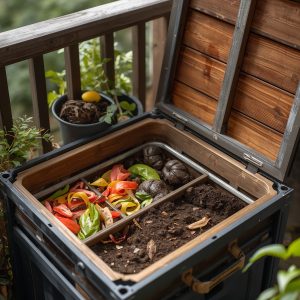
When most people throw away food waste, they rarely think about where it ends up. In landfills, organic waste doesn’t decompose properly due to a lack of oxygen, leading to the production of methane — a powerful greenhouse gas. Composting, on the other hand, uses a natural aerobic process that converts organic material into valuable compost. Learning how to compost at Home allows you to recycle your own waste efficiently and create a closed-loop system right in your backyard or even your kitchen.
This guide explores every aspect of composting — from setting up a compost bin to maintaining the right balance of materials and troubleshooting common problems. By the end, you’ll have a clear understanding of how to compost at Home and the environmental benefits that come with it.
Why Composting Matters
To truly understand how to compost at Home, it’s essential to appreciate why composting matters in the first place. Every year, millions of tons of food waste end up in landfills. When that waste breaks down without oxygen, it produces methane, which contributes to global warming. Composting prevents this by creating a controlled environment where microorganisms decompose organic matter naturally and safely.
The process turns kitchen and yard waste into organic fertilizer that enriches the soil, helping plants grow stronger and healthier. The resulting compost enhances soil structure, improves its ability to retain moisture, and promotes beneficial microbial activity. This means better root development and higher crop yields — without relying on synthetic fertilizers that can harm the environment.
Moreover, composting reduces dependence on chemical fertilizers and pesticides. When you know how to compost at Home, you can grow vegetables, flowers, and herbs organically. It’s an eco-friendly cycle: waste turns into soil food, soil grows plants, and plants feed us. It’s the ultimate example of sustainability in action.
Composting also encourages waste reduction at the source. By being mindful of what you throw away, you begin to consume more responsibly. You learn to value natural cycles — understanding that even peels, coffee grounds, and eggshells have a purpose beyond the trash can.
What You Need to Begin Composting
Before diving into How to Compost at Home, you’ll need a few basic materials and an understanding of what goes into a healthy compost pile. The great thing about composting is that it doesn’t require expensive equipment. You can start with minimal investment and scale up as you learn more.
The two main ingredients in compost are green materials (nitrogen-rich) and brown materials (carbon-rich). Green materials include fruit and vegetable scraps, coffee grounds, and fresh grass clippings. Brown materials include dried leaves, cardboard, paper, sawdust, and straw. The secret to effective composting lies in balancing these two components — typically a ratio of 1 part green to 3 parts brown.
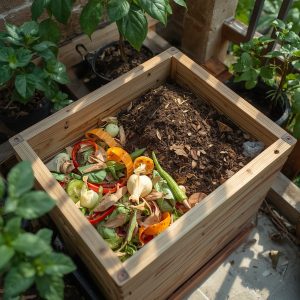
You’ll also need a compost bin or space. If you live in an apartment, you can use a compost tumbler, worm bin, or even a bokashi bucket for indoor composting. If you have a yard, you can create a simple compost pile or use a large outdoor bin with ventilation holes to allow airflow. The key is to ensure proper aeration, as oxygen is essential for decomposition.
Moisture is another critical factor. The compost should feel like a damp sponge — not too wet and not too dry. Too much moisture can cause foul odors, while too little slows decomposition. A well-balanced compost pile should have a pleasant earthy smell and break down gradually into dark, crumbly soil.
Once you understand the basics of how to compost at Home, setting up your system becomes easy. You can choose the method that fits your lifestyle — from traditional backyard piles to compact urban composters.
Step-by-Step Process
Now that you have your materials and tools ready, let’s go through the steps of How to Compost at Home in detail. Composting is both an art and a science, and following a few simple steps ensures success.
Step 1: Choose Your Location
Select a spot for your compost pile or bin. It should be easily accessible yet not too close to your living area. A shaded spot with good drainage is ideal to prevent excess drying or waterlogging.
Step 2: Add Brown and Green Layers
Start with a base layer of coarse materials like twigs or straw to allow airflow. Then alternate between green and brown layers. For example, add vegetable peels, then cover them with dried leaves or shredded newspaper. Maintaining this layering system helps regulate moisture and odor.
Step 3: Maintain Proper Moisture and Airflow
Turn your compost pile every two to three weeks to provide oxygen to microorganisms. This accelerates decomposition and prevents the pile from becoming compacted. If it looks dry, sprinkle some water; if it’s soggy, add more brown material.
Step 4: Monitor the Temperature
Composting generates heat as microorganisms break down organic matter. An active compost pile can reach temperatures between 130°F to 160°F (55°C to 70°C). This heat kills weed seeds and harmful bacteria. When the pile cools down, it’s a sign that decomposition is nearing completion.
Step 5: Harvest Your Compost
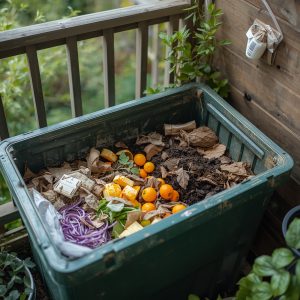
In about two to six months, depending on conditions, your compost will be ready. Mature compost looks like rich, dark soil and has a fresh, earthy aroma. Sift it through a screen to remove large particles, and use it in your garden beds, flower pots, or even as topsoil for lawns.
Learning how to compost at Home gives you full control over the waste you produce and turns it into something valuable. It’s a deeply satisfying process that connects you to the natural rhythm of life.
Common Composting Problems and How to Fix Them
Even with the best setup, you might encounter issues when learning how to compost at Home. The good news is that most problems are easy to fix. Let’s go over some common ones:
1. Bad Odor:
A smelly compost pile usually means there’s too much green material or excess moisture. Add more brown material like shredded paper or leaves, and turn the pile to aerate it.
2. Compost Too Dry:
If your compost isn’t breaking down, it might be too dry. Lightly sprinkle water and mix the pile. The goal is to achieve a damp, sponge-like texture.
3. Presence of Flies or Pests:
If you notice flies or rodents, you may have added food waste like meat or dairy products, which shouldn’t be composted. Stick to plant-based materials only and bury food scraps under brown layers.
4. Slow Decomposition:
If the composting process feels sluggish, check your carbon-to-nitrogen ratio. Too many browns slow it down; too many greens make it smelly. Adjust accordingly and ensure you’re turning the pile regularly.
These small adjustments make a big difference. As you continue to practice How to Compost at Home, you’ll quickly learn how to balance your materials and create nutrient-rich compost efficiently.
Benefits of Composting at Home
Understanding how to compost at Home brings countless benefits — both environmental and personal. Here are some of the most important ones:
1. Reduces Landfill Waste:
Up to 40% of household waste is compostable. By composting, you significantly reduce the volume of garbage that ends up in landfills, decreasing methane emissions and environmental pollution.
2. Saves Money:
Instead of buying chemical fertilizers, you create free, natural compost that improves soil health. Over time, this can lead to substantial savings for gardeners and homeowners.
3. Improves Soil Fertility:
Compost enriches the soil with essential nutrients like nitrogen, phosphorus, and potassium. It also enhances soil structure, promoting better root development and water retention.
4. Promotes Sustainable Living:
When you learn how to compost at Home, you adopt a sustainable habit that aligns with eco-conscious living. It’s a simple yet impactful step toward reducing your carbon footprint.
5. Encourages Mindful Consumptio
Composting changes how you view waste. You become more aware of what you throw away, often leading to healthier eating and more responsible lifestyle choices.
By practicing How to Compost at Home, you turn waste into wealth — improving not just your garden but also contributing to global environmental health.
Indoor Composting
You don’t need a large backyard to master how to compost at Home. Even in apartments or small urban homes, composting is possible with the right tools and techniques.
1. Worm Composting (Vermicomposting):
This method uses red worms to decompose organic waste. Worm bins are compact, odor-free, and perfect for indoor use. The resulting compost, known as worm castings, is rich in nutrients.
2. Bokashi Composting:
A Japanese method that ferments food waste using microorganisms. It works indoors and can handle items like meat and dairy, which aren’t suitable for traditional composting.
3. Electric Composters:
Modern electric composters can turn food scraps into compost within hours. While more expensive, they are efficient and ideal for people with busy lifestyles.
These options make How to Compost at Home accessible to everyone, regardless of space limitations. With a bit of creativity, you can turn even a small balcony into an eco-friendly compost station.
Compost Uses and Final Tips
Once you’ve mastered how to compost at Home, the possibilities for using your compost are endless. Use it to:
-
Enrich garden beds and improve plant health.
-
Mix with potting soil for indoor plants.
-
Spread as mulch to retain soil moisture.
-
Revitalize poor or sandy soils.
-
Support community gardening projects.
A few final tips: avoid composting meat, oily foods, diseased plants, and pet waste. Keep your compost well-aerated, and maintain a balance between greens and browns. Patience is key — composting takes time, but the results are worth the wait.
By committing to How to Compost at Home, you actively participate in protecting the planet. It’s a small, consistent act with enormous long-term benefits.
Conclusion
At its core, How to Compost at Home is about rethinking waste. It transforms what we once considered garbage into a powerful natural resource. It connects us to nature’s cycles — reminding us that every peel, shell, and leaf has a purpose.
Through composting, we reduce pollution, restore soil health, and nurture sustainable growth. We reclaim control over what we consume and discard. It’s an empowering process that reminds us how small actions can create global impact.
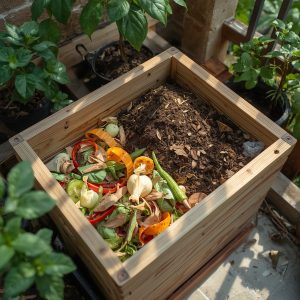
By learning how to compost at Home, you take a stand for the environment, your garden, and future generations. Every handful of compost is proof that change starts from within — right at home, with your own hands.
Let’s stop throwing away potential and start turning waste into life. Because when we compost, we don’t just recycle — we regenerate.