
Best Plants for Natural Humidifiers
best plants for natural humidifiers dry indoor air can lead to problems like dry skin, irritated sinuses, and even poor sleep. While many people rely on electric humidifiers, a more eco-friendly and natural solution lies in plants. Certain houseplants release moisture into the air through a process called transpiration, effectively acting as natural humidifiers. The bonus? These plants don’t just balance humidity—they also purify the air, reduce toxins, and bring beauty into your home.
If you’re searching for the best plants for natural humidifiers, you’ll be glad to know that many popular indoor plants thrive in typical household environments. Let’s explore the top choices, their benefits, and how to care for them.
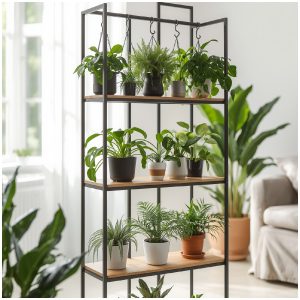
Benefits of Natural Humidifier Plants
Adding indoor plants that add humidity offers more than just fresher air. Here are the key benefits:
-
Increased Moisture: Reduces dry skin, static electricity, and respiratory irritation.
-
Cleaner Air: Many of these plants also filter harmful indoor pollutants.
-
Stress Reduction: Greenery creates a calming, wellness-focused environment.
-
Low Maintenance: Unlike machines, plants require minimal upkeep once established.
-
Aesthetic Value: Large, leafy plants double as beautiful interior décor.
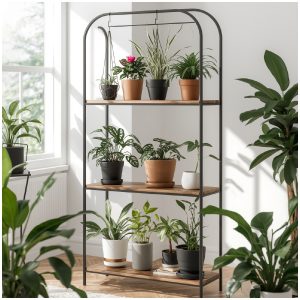
Benefits of Natural Humidifier Plants
Adding indoor plants that add humidity offers more than just fresher air. Here are the key benefits:
-
Increased Moisture: Reduces dry skin, static electricity, and respiratory irritation.
-
Cleaner Air: Many of these plants also filter harmful indoor pollutants.
-
Stress Reduction: Greenery creates a calming, wellness-focused environment.
-
Low Maintenance: Unlike machines, plants require minimal upkeep once established.
-
Aesthetic Value: Large, leafy plants double as beautiful interior décor.
Best Plants for Natural Humidifiers
1. Areca Palm (Dypsis lutescens)
The Areca Palm tops the list as one of the best plants for natural humidifiers. Its long, feathery fronds release high levels of moisture into the air while also filtering toxins. It thrives in bright, indirect light and prefers consistently moist soil.
2. Boston Fern (Nephrolepis exaltata)
A classic humidity-loving plant, the Boston Fern is well known for increasing indoor moisture levels. It thrives in humid bathrooms or kitchens and prefers indirect light. Its lush fronds create a soft, refreshing aesthetic.
3. Peace Lily (Spathiphyllum)
The Peace Lily is famous for its elegant white blooms and glossy green leaves. It absorbs excess toxins while releasing moisture into the air. This makes it one of the most practical air-purifying plants that act as humidifiers.
4. Spider Plant (Chlorophytum comosum)
Spider plants are resilient and adaptable, making them a top choice for beginners. They’re compact, easy to grow, and naturally release water vapor through their long, arching leaves.

5. Areca Bamboo Palm (Chamaedorea seifrizii)
Another excellent natural humidifier, the Bamboo Palm thrives in medium to bright light. Its tall, graceful fronds release significant amounts of moisture, making it suitable for larger spaces.
6. Rubber Plant (Ficus elastica)
The Rubber Plant is a sturdy houseplant with thick, glossy leaves. While it doesn’t require much water, it steadily releases moisture into the air, improving humidity over time.
7. Calathea (Prayer Plant)
Calathea species are loved for their colorful, patterned leaves. They naturally thrive in humid environments and add moisture to dry indoor air, while their unique leaf movement at night adds charm.
8. Lady Palm (Rhapis excelsa)
The Lady Palm is a slow-growing, low-maintenance plant that excels in releasing moisture. It adapts well to low light and is often praised for its durability.
9. Areca Banana Plant (Musa species)
Banana plants are tropical giants that release large amounts of water vapor into the air. While they require more space and light, they’re unbeatable when it comes to natural humidifying power.
How These Plants Work as Natural Humidifiers
Plants add humidity to indoor air through transpiration. This process occurs when water absorbed by the roots travels up through the plant and evaporates from tiny pores in the leaves. The larger and leafier the plant, the more moisture it releases. That’s why broad-leaved tropical plants are often the most effective natural humidifiers.
Placement Tips for Maximum Humidifying Effect
To make the most of natural humidifier plants, follow these placement tips:
-
Group Plants Together: Creates a microclimate of moisture.
-
Place in Dry Areas: Bedrooms and living rooms benefit most.
-
Bathrooms for Tropicals: Plants like ferns and calatheas thrive in steamy spaces.
-
Near Radiators: Position humidity-loving plants near heat sources to counteract dryness.
Care Tips for Humidity-Boosting Plants
Keeping indoor plants that add humidity healthy requires some simple practices:
-
Regular Watering: Ensure soil stays moist but not soggy.
-
Misting: In very dry homes, mist leaves occasionally.
-
Indirect Light: Most of these plants prefer medium to bright, indirect light.
-
Dusting Leaves: Clean leaves to keep transpiration efficient.
-
Fertilization: Use balanced fertilizer during growing seasons for lush foliage.
Avoid to Common Mistakes
When caring for humidity-loving plants, avoid these errors:
-
Overwatering, which can lead to root rot.
-
Placing them in direct sunlight, which may scorch leaves.
-
Forgetting to repot as they grow, limiting their ability to transpire.
-
Ignoring air circulation—stagnant areas can cause fungal problems.

Long-Term Benefits of Natural Humidifier Plants
Choosing plants as natural humidifiers provides sustainable, long-term benefits. Unlike electric devices, plants don’t need electricity, don’t produce noise, and don’t require regular filter changes. Over time, they help maintain healthier indoor environments, support mental well-being, and enhance home décor.
By investing in tropical houseplants and air-purifying greenery, you’re creating a natural system that keeps your home fresh, hydrated, and beautiful year-round.
Conclusion
If dry air is a challenge in your home, turn to nature for the solution. The best plants for natural humidifiers not only restore balance to indoor air but also transform your space into a healthier, greener environment. From lush ferns and palms to bold rubber plants and calming peace lilies, there’s a perfect plant for every household.
By choosing natural humidifier plants, you’re embracing a sustainable solution that benefits your health, décor, and overall well-being—proving that sometimes, the best technology is simply nature itself.