
Ocean Pollution Facts

Ocean Pollution Facts 25 | plastic waste impacts | greennworld

Ocean Pollution Facts When people talk about environmental threats, ocean pollution facts often stand as some of the most alarming truths of our time. Our oceans cover more than 70% of the Earth’s surface, providing food, oxygen, and climate regulation, yet they are being choked by waste, chemicals, and human negligence. Understanding the reality behind ocean pollution facts is crucial for developing solutions that protect marine ecosystems and ensure the planet’s long-term survival. The ocean is not just a vast body of water—it is a living system that supports billions of lives. However, human activities have turned it into a dumping ground, with devastating consequences for wildlife, habitats, and even human health. The Growing Threat Beneath the Waves One of the most shocking ocean pollution facts is that over 8 million tons of plastic enter the seas each year. This staggering number highlights humanity’s overreliance on single-use plastics and poor waste management systems. The marine plastic crisis is now one of the biggest environmental challenges of our era. Plastic bottles, bags, and microbeads break down into smaller pieces but never fully disappear, posing lethal threats to marine life. Fish, seabirds, and turtles often mistake these tiny particles for food, leading to internal injuries, starvation, and death. Another important ocean contamination issue is chemical pollution. Agricultural runoff, oil spills, and untreated sewage flow into rivers and eventually reach the ocean, creating “dead zones” where oxygen levels are so low that most marine life cannot survive. Fertilizers, pesticides, and industrial waste all contribute to this deadly phenomenon. The Gulf of Mexico, for instance, contains one of the largest dead zones on the planet—covering thousands of square miles—caused by nutrient-rich runoff from farms along the Mississippi River. Oil pollution adds another layer of harm. While catastrophic spills like the Deepwater Horizon disaster capture headlines, everyday oil leaks from ships, pipelines, and coastal industries are constant contributors. These spills coat marine animals in toxic slicks, destroy coral reefs, and contaminate coastal ecosystems. The cumulative effects of these pollutants create a toxic cocktail that spreads through food chains and impacts both marine and terrestrial life. How Plastic Pollution Changes Marine Ecosystems When discussing ocean pollution facts, the issue of microplastics in the sea deserves special attention. Microplastics—tiny fragments less than 5 millimeters in size—have been found everywhere from the deepest ocean trenches to Arctic ice. They originate from the breakdown of larger plastic waste, synthetic clothing fibers, and cosmetic products. The frightening truth is that microplastics are now present in nearly every species of marine life studied, including fish that humans consume. One of the major plastic waste impacts is bioaccumulation. Toxic chemicals adhere to plastic particles, which are then ingested by plankton, small fish, and eventually larger predators. As these toxins move up the food chain, they become more concentrated, affecting not only wildlife but also humans who eat seafood. Studies have detected microplastics and plastic-related chemicals in human blood and organs, raising serious concerns about long-term health consequences. Another underreported ocean degradation reality is how plastic waste interferes with marine ecosystems’ physical structure. Coral reefs, for instance, are being smothered by floating plastic debris. These corals are vital breeding grounds for fish and protect coastlines from erosion, but plastic pollution damages their delicate polyps and blocks the sunlight essential for photosynthesis. Meanwhile, sea turtles suffer as they mistake plastic bags for jellyfish, their primary food source. This results in intestinal blockages and a slow, painful death. Beyond wildlife, plastic pollution disrupts entire ecosystems by altering nutrient cycles and oxygen availability. Floating debris shades sunlight from plankton, affecting photosynthesis rates that help produce nearly half the world’s oxygen. The chain reaction triggered by these disruptions threatens the balance of marine biodiversity, which has evolved over millions of years. The Human Connection to Ocean Pollution Many people fail to realize how deeply ocean pollution is linked to human life. The oceans are the world’s largest carbon sink, absorbing roughly a quarter of all CO₂ emissions. When polluted, their ability to regulate the global climate weakens, accelerating global warming. One significant marine ecosystem threat is the destruction of phytoplankton populations due to toxic waste and chemical runoff. Phytoplankton not only absorb carbon but also produce the oxygen that sustains much of life on Earth. Coastal communities are also directly affected. Polluted beaches reduce tourism, while contaminated seafood threatens public health. Heavy metals like mercury, lead, and cadmium—often released from industrial waste—accumulate in fish and shellfish. When consumed, they can cause neurological and developmental damage, particularly in children. This issue highlights the global environmental health link, showing that what harms the ocean ultimately harms humanity. Another often-overlooked pollution consequence is the economic impact. The fishing industry loses billions each year due to damaged ecosystems, reduced fish stocks, and the costs of cleaning debris from nets and boats. Moreover, oil spills and waste contamination force governments to spend millions on cleanup operations and habitat restoration. These are not distant problems—they directly influence livelihoods, food prices, and national economies. Human activities such as overfishing and deep-sea mining further intensify ocean stress. The extraction of minerals from the seabed disrupts habitats and releases harmful sediments into surrounding waters. Meanwhile, ghost fishing gear—lost or discarded nets—continues to trap marine animals for years, creating what many call “silent killers” of the deep. The combination of physical, chemical, and biological stressors makes ocean restoration increasingly challenging. Efforts and Innovations to Reduce Ocean Pollution Despite the grim reality, there is hope. Understanding ocean pollution facts has sparked a global movement toward ocean conservation and sustainable practices. Governments, NGOs, and individuals are working together to develop innovative solutions. For instance, beach cleanup campaigns have become widespread, raising awareness and removing tons of waste annually. The Ocean Cleanup Project, a large-scale initiative, uses advanced technology to collect plastic debris from the Great Pacific Garbage Patch—a massive area of floating waste twice the size of Texas. Many countries are also enforcing bans on single-use plastics, promoting biodegradable materials, and encouraging recycling systems that prevent waste from reaching

Sustainable Food Choices

Sustainable Food Choices 25 | food miles | greennworld

Sustainable Food Choices In today’s rapidly changing world, making sustainable food choices is no longer just an ethical preference—it is a critical step toward preserving our planet’s future. As consumers become more aware of the environmental consequences of their eating habits, many are turning toward sustainable food systems that prioritize ecological balance, health, and social equity. The term sustainable food choices refers to selecting foods that have a lower environmental impact, support local economies, and promote overall well-being. This movement encourages mindful consumption, where people consider not just what they eat, but where it comes from and how it was produced. From reducing meat consumption to choosing seasonal produce, these choices can have a profound impact on carbon emissions, water conservation, and biodiversity protection. The Meaning and Need for Sustainable Food Choices To truly understand sustainable food choices, one must first examine the unsustainable practices that have dominated the food industry for decades. Industrial agriculture, which relies heavily on chemical fertilizers, pesticides, and intensive livestock production, contributes significantly to greenhouse gas emissions and soil degradation. Food waste and long-distance transportation further add to the problem. Making eco-friendly eating decisions means shifting toward food that minimizes environmental harm and supports long-term food security. Modern consumers are also becoming conscious of organic agriculture practices, which reduce reliance on synthetic inputs and promote soil health. Buying from local farmers’ markets or participating in community-supported agriculture (CSA) programs are practical ways to implement sustainable eating. These actions shorten the food supply chain, reducing emissions from transport and storage. Additionally, when people invest in local food systems, they contribute to their communities’ economic resilience while supporting farmers who implement environmentally sound techniques. The Connection Between Sustainable Food and Climate Impact Every meal we eat has a climate footprint, and plant-based diets are consistently proven to reduce greenhouse gas emissions. Choosing more vegetables, fruits, legumes, and grains over meat and dairy can dramatically lower an individual’s environmental impact. These sustainable meal choices require fewer natural resources like land and water, and they generate fewer emissions during production. This doesn’t necessarily mean eliminating all animal products, but rather reducing consumption and opting for responsibly sourced meats when possible. Another critical factor in this discussion is food transportation, often referred to as “food miles.” Foods imported from distant regions consume vast amounts of fuel for shipping, which increases carbon emissions. Choosing local and seasonal foods minimizes these impacts while ensuring freshness and nutritional value. Moreover, sustainable farming methods such as crop rotation, regenerative agriculture, and agroforestry further help sequester carbon and rebuild soil fertility, creating a self-sustaining food cycle that benefits both humans and nature. Water usage also plays a significant role in this equation. For instance, it takes over 1,800 gallons of water to produce one pound of beef, compared to only about 200 gallons for the same weight of beans. By choosing foods with lower water footprints, individuals can make more environmentally responsible diet decisions and help conserve one of our most precious resources. Ethical and Health Dimensions of Sustainable Food Choices Beyond environmental impact, sustainable food choices carry profound ethical and health implications. Factory farming often raises concerns about animal welfare, antibiotic overuse, and worker exploitation. Opting for free-range, grass-fed, or certified humane products supports businesses that prioritize ethical treatment of animals and employees. These choices align with broader movements promoting transparency and fairness in the global food system. On the health front, sustainable diets are closely linked with better nutrition and disease prevention. Diets rich in whole grains, fruits, vegetables, and plant proteins are associated with reduced risks of heart disease, diabetes, and obesity. When people focus on nutritionally sustainable eating habits, they not only protect the environment but also improve their physical well-being. The reduced dependence on processed foods and refined sugars fosters a more balanced lifestyle that promotes longevity. Moreover, the global pandemic has heightened awareness of the fragility of food systems and supply chains. Many people realized the importance of local food networks and home gardening as a source of security and resilience. The rise of urban farming and community gardens demonstrates how sustainable food choices can also foster social connection and self-reliance, creating a more robust food culture that values quality over quantity. Practical Ways to Make Sustainable Food Choices Understanding theory is one thing, but implementing sustainable food choices in daily life requires conscious effort and planning. One effective approach is practicing mindful consumption, where individuals buy only what they need to reduce waste. Globally, nearly one-third of all food produced goes to waste, resulting in massive resource losses and unnecessary emissions. Planning meals, storing food properly, and repurposing leftovers can dramatically cut down on this problem. Another strategy involves supporting sustainable agriculture initiatives that promote biodiversity and soil regeneration. Consumers can seek certifications like Fair Trade, Rainforest Alliance, or USDA Organic when shopping, ensuring their purchases contribute to environmentally sound practices. Additionally, switching to plant-forward meal planning—where vegetables take center stage and meat becomes a side option—can help reduce dependence on resource-intensive foods without sacrificing taste or satisfaction. Cooking at home is another powerful act of sustainability. It allows individuals to control ingredient sources, portion sizes, and waste. Using reusable containers, cloth shopping bags, and composting organic waste also helps minimize environmental impact. Even small changes, such as choosing tap water over bottled water or purchasing in bulk to avoid packaging waste, contribute meaningfully to the planet’s health. Finally, engaging in sustainable seafood consumption by choosing species that are abundant and responsibly fished ensures ocean ecosystems remain balanced. Overfishing is a major ecological concern, but informed consumers can help shift demand toward sustainable fisheries, supporting marine conservation efforts worldwide. The Future of Sustainable Eating and Global Responsibility Looking ahead, sustainable food choices are central to achieving the United Nations’ Sustainable Development Goals (SDGs), particularly those focused on climate action, zero hunger, and responsible consumption. The global population is projected to exceed nine billion by 2050, making food sustainability a top priority for future generations. Technological innovations such

Green Energy vs Fossil Fuels

Green Energy vs Fossil Fuels 25 | Fossil fuels | greennworld

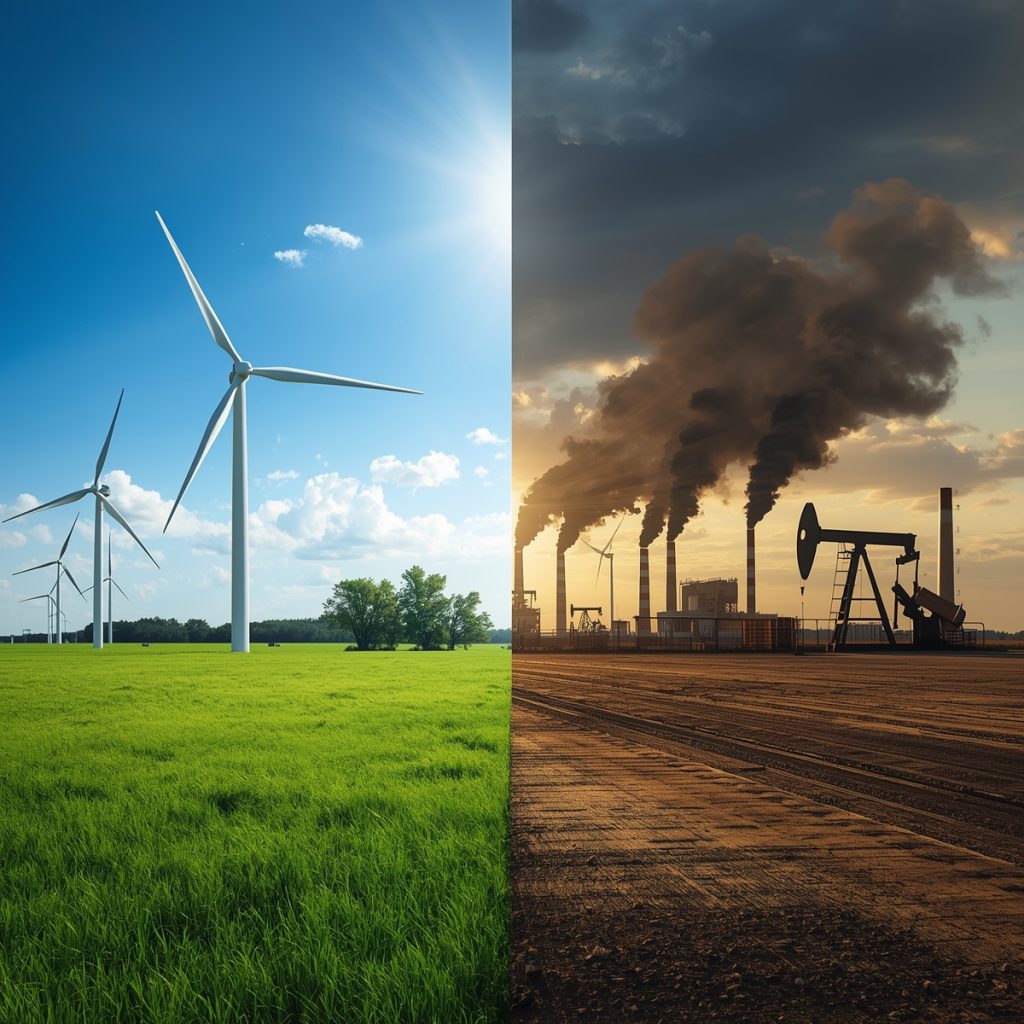
Green Energy vs Fossil Fuels Green Energy vs Fossil Fuels has become one of the most critical debates of our time. As the global population grows and energy demands rise, the world faces a tough choice between continuing with traditional energy sources and embracing cleaner, renewable alternatives. For decades, fossil fuels like coal, oil, and natural gas have powered industries, vehicles, and homes. But these energy sources come at a steep environmental cost — pollution, greenhouse gas emissions, and global warming. On the other hand, Green Energy vs Fossil Fuels brings to light the potential of renewable energy sources such as solar, wind, hydro, and geothermal power to create a sustainable future for all. This conversation isn’t just about technology — it’s about survival, progress, and our responsibility to the planet. Understanding Green Energy vs Fossil Fuels means exploring how each energy type affects the environment, economy, and human health, and what transitioning to green energy really entails. This article dives deep into their differences, benefits, challenges, and the future of energy worldwide. The Need for a Global Energy Shift To understand the significance of Green Energy vs Fossil Fuels, we must first look at why the world relies so heavily on fossil fuels. Since the Industrial Revolution, coal and oil have been the backbone of modern civilization. They powered factories, transportation, and entire cities, fueling innovation and economic growth. However, the overreliance on fossil fuels has led to catastrophic side effects — air pollution, deforestation, water contamination, and an alarming increase in carbon emissions. Scientists have linked the burning of fossil fuels to climate change, which manifests in rising global temperatures, melting polar ice caps, and more frequent natural disasters. This crisis has prompted nations to rethink their energy choices and explore renewable options that don’t emit harmful pollutants. While fossil fuels are finite and depleting rapidly, renewable sources such as solar, wind, and hydro energy are abundant and continuously replenished by nature. The shift from fossil to renewable energy is not just an environmental necessity but an economic opportunity as well. Transitioning from Green Energy vs Fossil Fuels requires balancing progress with responsibility — a challenge that governments, industries, and individuals must face together. Understanding Green Energy and Fossil Fuels The debate around Green Energy vs Fossil Fuels revolves around how these two sources are produced and their long-term impact. Fossil fuels are formed from the remains of ancient plants and animals buried for millions of years under heat and pressure. Extracting and burning them releases carbon dioxide, sulfur dioxide, and nitrogen oxides — all contributors to global warming and air pollution. Green energy, on the other hand, is generated from natural processes that are constantly replenished. Solar panels convert sunlight into electricity, wind turbines harness air movement, and hydropower uses the flow of water to generate energy. These sources emit little to no greenhouse gases during operation. The biggest distinction between Green Energy vs Fossil Fuels lies in sustainability. Fossil fuels are nonrenewable — once we use them up, they’re gone forever. Green energy, however, offers an infinite supply as long as the sun shines, the wind blows, and rivers flow. Adopting renewable energy also reduces dependence on imported fuels, empowering nations to produce their own energy and strengthening economic independence. This decentralization of energy production helps create jobs, stimulate innovation, and promote local resilience. The real question is not whether we can transition from fossil fuels to green energy — it’s whether we will do it fast enough to avoid irreversible environmental damage.  Environmental Impact and Sustainability When comparing Green Energy vs Fossil Fuels, the environmental impact is the most compelling argument in favor of renewables. Burning fossil fuels releases billions of tons of carbon dioxide annually, contributing to the greenhouse effect. These emissions trap heat in the Earth’s atmosphere, leading to rising global temperatures. The result? Extreme weather patterns, droughts, floods, and disrupted ecosystems. Renewable energy sources, however, offer a clean alternative. Solar farms and wind turbines produce electricity without emitting pollutants. Hydroelectric and geothermal power plants, while not entirely impact-free, have significantly lower carbon footprints compared to coal or oil plants. Another critical point in Green Energy vs Fossil Fuels is resource depletion. Oil fields dry up, coal reserves diminish, and natural gas wells decline over time. In contrast, renewable energy relies on endless natural cycles — sunlight, wind, and water. This makes green energy not only sustainable but also future-proof. Beyond environmental benefits, switching to renewables helps preserve biodiversity. Fossil fuel extraction often involves drilling, mining, and deforestation, which destroy habitats and threaten wildlife. In contrast, renewable energy installations can coexist with nature when managed properly. Investing in green energy means investing in the planet’s longevity. Every solar panel or wind turbine installed is a step toward reducing our ecological footprint and building a cleaner, more sustainable world. Economic Comparison The financial side of Green Energy vs Fossil Fuels reveals an evolving landscape. Historically, fossil fuels were cheaper due to established infrastructure and government subsidies. However, in the last decade, renewable energy technologies have advanced rapidly, causing prices to plummet. Today, solar and wind power are among the cheapest energy sources available. The installation of solar panels, wind turbines, and energy storage systems creates millions of new jobs worldwide. In fact, the renewable energy sector is one of the fastest-growing industries on the planet. From engineers to technicians to researchers, it offers opportunities that stimulate local economies and encourage sustainable innovation. On the other hand, fossil fuel industries are becoming increasingly unstable due to fluctuating oil prices and the environmental costs associated with extraction. Regions that rely heavily on coal mining or oil drilling face economic uncertainty as global demand for clean energy rises. In terms of maintenance, renewable systems often have lower operating costs once installed. Wind and solar farms, for instance, require minimal upkeep compared to refineries or coal plants that need continuous fuel input. However, the transition from Green Energy vs Fossil Fuels also requires significant initial investment in

How to Compost at Home

How to Compost at Home 25 | worm bin | greennworld

How to Compost at Home How to Compost at Home is more than just a method of waste management — it’s a lifestyle choice that supports sustainability, reduces pollution, and transforms everyday kitchen scraps into nutrient-rich soil. Composting helps reduce landfill waste, decreases greenhouse gas emissions, and provides a natural fertilizer that enhances plant growth. Whether you live in an apartment, a suburban home, or a countryside property, understanding how to compost at Home empowers you to contribute directly to a healthier planet. When most people throw away food waste, they rarely think about where it ends up. In landfills, organic waste doesn’t decompose properly due to a lack of oxygen, leading to the production of methane — a powerful greenhouse gas. Composting, on the other hand, uses a natural aerobic process that converts organic material into valuable compost. Learning how to compost at Home allows you to recycle your own waste efficiently and create a closed-loop system right in your backyard or even your kitchen. This guide explores every aspect of composting — from setting up a compost bin to maintaining the right balance of materials and troubleshooting common problems. By the end, you’ll have a clear understanding of how to compost at Home and the environmental benefits that come with it. Why Composting Matters To truly understand how to compost at Home, it’s essential to appreciate why composting matters in the first place. Every year, millions of tons of food waste end up in landfills. When that waste breaks down without oxygen, it produces methane, which contributes to global warming. Composting prevents this by creating a controlled environment where microorganisms decompose organic matter naturally and safely. The process turns kitchen and yard waste into organic fertilizer that enriches the soil, helping plants grow stronger and healthier. The resulting compost enhances soil structure, improves its ability to retain moisture, and promotes beneficial microbial activity. This means better root development and higher crop yields — without relying on synthetic fertilizers that can harm the environment. Moreover, composting reduces dependence on chemical fertilizers and pesticides. When you know how to compost at Home, you can grow vegetables, flowers, and herbs organically. It’s an eco-friendly cycle: waste turns into soil food, soil grows plants, and plants feed us. It’s the ultimate example of sustainability in action. Composting also encourages waste reduction at the source. By being mindful of what you throw away, you begin to consume more responsibly. You learn to value natural cycles — understanding that even peels, coffee grounds, and eggshells have a purpose beyond the trash can. What You Need to Begin Composting Before diving into How to Compost at Home, you’ll need a few basic materials and an understanding of what goes into a healthy compost pile. The great thing about composting is that it doesn’t require expensive equipment. You can start with minimal investment and scale up as you learn more. The two main ingredients in compost are green materials (nitrogen-rich) and brown materials (carbon-rich). Green materials include fruit and vegetable scraps, coffee grounds, and fresh grass clippings. Brown materials include dried leaves, cardboard, paper, sawdust, and straw. The secret to effective composting lies in balancing these two components — typically a ratio of 1 part green to 3 parts brown. You’ll also need a compost bin or space. If you live in an apartment, you can use a compost tumbler, worm bin, or even a bokashi bucket for indoor composting. If you have a yard, you can create a simple compost pile or use a large outdoor bin with ventilation holes to allow airflow. The key is to ensure proper aeration, as oxygen is essential for decomposition. Moisture is another critical factor. The compost should feel like a damp sponge — not too wet and not too dry. Too much moisture can cause foul odors, while too little slows decomposition. A well-balanced compost pile should have a pleasant earthy smell and break down gradually into dark, crumbly soil. Once you understand the basics of how to compost at Home, setting up your system becomes easy. You can choose the method that fits your lifestyle — from traditional backyard piles to compact urban composters. Step-by-Step Process Now that you have your materials and tools ready, let’s go through the steps of How to Compost at Home in detail. Composting is both an art and a science, and following a few simple steps ensures success. Step 1: Choose Your LocationSelect a spot for your compost pile or bin. It should be easily accessible yet not too close to your living area. A shaded spot with good drainage is ideal to prevent excess drying or waterlogging. Step 2: Add Brown and Green LayersStart with a base layer of coarse materials like twigs or straw to allow airflow. Then alternate between green and brown layers. For example, add vegetable peels, then cover them with dried leaves or shredded newspaper. Maintaining this layering system helps regulate moisture and odor. Step 3: Maintain Proper Moisture and AirflowTurn your compost pile every two to three weeks to provide oxygen to microorganisms. This accelerates decomposition and prevents the pile from becoming compacted. If it looks dry, sprinkle some water; if it’s soggy, add more brown material. Step 4: Monitor the TemperatureComposting generates heat as microorganisms break down organic matter. An active compost pile can reach temperatures between 130°F to 160°F (55°C to 70°C). This heat kills weed seeds and harmful bacteria. When the pile cools down, it’s a sign that decomposition is nearing completion. Step 5: Harvest Your CompostIn about two to six months, depending on conditions, your compost will be ready. Mature compost looks like rich, dark soil and has a fresh, earthy aroma. Sift it through a screen to remove large particles, and use it in your garden beds, flower pots, or even as topsoil for lawns. Learning how to compost at Home gives you full control over the waste you produce and turns it into something valuable. It’s a deeply

The Importance of Biodiversity

The Importance of Biodiversity

The Importance of Biodiversity The Importance of Biodiversity cannot be overstated in today’s rapidly changing world. Biodiversity — the variety of life on Earth — is the foundation of all ecosystems and a critical component of the planet’s natural balance. Every living organism, from the tiniest bacteria in the soil to the largest whale in the ocean, plays an essential role in maintaining ecological stability. When we talk about The Importance of Biodiversity, we’re talking about the air we breathe, the food we eat, the water we drink, and the overall health of the planet that sustains us. Across the world, scientists and environmentalists emphasize The Importance of Biodiversity because it ensures the resilience of ecosystems against disturbances such as climate change, natural disasters, and human exploitation. Our forests, oceans, wetlands, and deserts depend on the interconnectedness of species to function effectively. When one species is lost, it disrupts the natural chain, causing ripple effects throughout the ecosystem. Preserving biodiversity isn’t just an ethical responsibility — it’s a necessity for human survival. Let’s explore in detail why The Importance of Biodiversity is central to life, the environment, and future sustainability.  Understanding the Role of Biodiversity in Ecosystems The first step in appreciating The Importance of Biodiversity is understanding how it supports ecosystems. Biodiversity ensures that natural systems remain balanced and productive. Forests, for instance, depend on a wide range of plants and animals for pollination, seed dispersal, and soil regeneration. Coral reefs rely on countless marine species for structure, defense, and nutrient cycling. The term ecological diversity refers to the variety of ecosystems on Earth, from rainforests to grasslands, deserts to wetlands. These ecosystems support species richness, which contributes to the overall health and stability of the biosphere. A forest with hundreds of species of trees, birds, and insects is more resilient than a monoculture plantation. Another vital factor is genetic diversity, which allows species to adapt to changing environments. When environmental conditions shift — due to climate change or disease — species with a broad genetic pool have a better chance of survival. This adaptability is one of the strongest arguments for The Importance of Biodiversity, as it protects life from extinction. Moreover, biodiversity is the natural engine behind processes like oxygen production, soil fertility, and the water cycle. For instance, forests act as the lungs of the planet, absorbing carbon dioxide and releasing oxygen. Wetlands filter pollutants, while bees and butterflies play irreplaceable roles in pollination. These interconnected systems highlight how deeply human life depends on biodiversity.  Economic and Health Benefits of Biodiversity When discussing The Importance of Biodiversity, we must recognize its enormous economic value. Every year, biodiversity contributes trillions of dollars to the global economy through agriculture, forestry, fishing, and tourism. Our food systems rely heavily on biodiversity — from crop varieties and livestock breeds to pollinators and microorganisms that enrich the soil. The sustainable use of natural resources is a growing priority worldwide. Industries like medicine and biotechnology rely on biodiversity for innovation. Over 50% of modern medicines are derived from natural compounds found in plants, fungi, and marine organisms. The pharmaceutical potential of nature is vast, yet much of it remains unexplored. Losing species means losing possible cures for diseases such as cancer, Alzheimer’s, and heart ailments. In addition, biodiversity plays a vital role in public health. Diverse ecosystems help regulate diseases by maintaining predator-prey relationships and reducing outbreaks of pests or pathogens. For example, birds and bats naturally control mosquito populations, reducing the spread of malaria and dengue. The economic sustainability of communities — particularly those in rural or coastal areas — depends on healthy ecosystems. When biodiversity declines, livelihoods are threatened. Fishermen lose catches, farmers face lower yields, and tourism industries suffer when natural beauty is degraded. These realities reinforce The Importance of Biodiversity not only as an environmental concern but as an economic lifeline for millions of people. The Connection Between Biodiversity and Climate Change Climate change and biodiversity are two sides of the same coin. To understand The Importance of Biodiversity, we must see how closely it is tied to the fight against climate change. Forests, oceans, and grasslands act as carbon sinks — absorbing and storing vast amounts of carbon dioxide from the atmosphere. When these ecosystems are destroyed, the stored carbon is released, accelerating global warming. Protecting biodiversity through reforestation, wetland restoration, and marine conservation is one of the most effective natural solutions to mitigate climate change. Trees, for instance, not only capture carbon but also regulate rainfall and temperature. Coral reefs act as barriers against coastal erosion, while mangroves prevent flooding during storms. On the other hand, climate change poses a severe threat to biodiversity. Rising temperatures, shifting weather patterns, and increased natural disasters are driving species to extinction faster than ever before. The loss of habitat caused by deforestation and pollution compounds the problem. This creates a vicious cycle — as biodiversity declines, ecosystems lose their ability to fight climate change, which in turn causes further loss of biodiversity. That’s why global initiatives such as carbon-neutral strategies, conservation biology, and green infrastructure are essential. They aim to restore natural systems and enhance their role in climate regulation. Understanding this interconnection deepens our appreciation of The Importance of Biodiversity as a climate stabilizer.  Human Impact and the Need for Conservation Human activity has become the greatest threat to biodiversity in modern history. Overexploitation of resources, deforestation, pollution, and urban expansion have pushed thousands of species to the brink of extinction. In this context, The Importance of Biodiversity must be viewed as a call to action. One of the most alarming issues is habitat fragmentation, where large natural areas are divided by roads, cities, and farms. Animals lose their migration routes, while plants struggle to reproduce. Pollution — particularly plastic waste and chemical runoff — contaminates rivers and oceans, devastating aquatic life. Another major issue is the introduction of invasive species, which disrupt local ecosystems by competing with native species for food and space. This leads to

Uncategorized

Electric Cars and the Environment 25 |

Electric Cars and the Environment Electric Cars and the Environment have become one of the most discussed topics in the modern age of technology and sustainability. With the world moving toward a greener future, electric vehicles (EVs) are no longer just luxury items; they represent a shift toward eco-friendly transportation and energy efficiency. As countries pledge to reduce carbon emissions and combat climate change, electric cars are now viewed as one of the key solutions to create a cleaner and healthier planet. The push toward Electric Cars and the Environment is not just about technological progress — it’s about the survival of the planet and the need to move away from fossil fuels. Every time someone chooses an electric vehicle, they contribute to reducing greenhouse gas emissions, air pollution, and noise pollution in urban environments. With government incentives, improved battery technology, and increasing awareness of environmental damage caused by gasoline vehicles, EVs are rapidly transforming how we think about mobility. In this article, we will explore the many sides of Electric Cars and the Environment, from their environmental benefits and challenges to their role in shaping the future of sustainable energy. The Growing Connection Between Electric Cars and the Environment The connection between Electric Cars and the Environment is stronger today than ever before. Electric vehicles rely on electricity rather than gasoline or diesel, which means they do not emit harmful tailpipe pollutants such as carbon monoxide, nitrogen oxides, or particulate matter. These pollutants are a major cause of respiratory illnesses, smog, and climate change. A related keyword is zero-emission vehicles, which perfectly describes electric cars. By operating on electricity, EVs produce zero emissions while driving, creating a significant reduction in the carbon footprint of transportation. Another important concept is sustainable energy solutions, as EVs align with renewable power sources such as solar and wind energy. When electric cars are charged using renewable energy grids, they become almost entirely carbon-neutral. Many studies show that widespread adoption of electric vehicles can lead to dramatic reductions in national greenhouse gas levels. In cities plagued by pollution, such as Los Angeles, Delhi, or Beijing, the increase in electric cars could cut smog levels and improve air quality drastically. At the same time, the production of electric vehicles must also be considered. The life-cycle emissions — from battery manufacturing to disposal — play a role in determining how green EVs truly are. Manufacturers are now working toward sustainable battery recycling methods to ensure that the benefits of Electric Cars and the Environment are maximized throughout their lifespan. Energy Efficiency and the Impact on Climate Energy efficiency is one of the strongest advantages of Electric Cars and the Environment. Electric motors convert over 80% of the electrical energy from the battery into motion, compared to only 20% to 30% for traditional internal combustion engines. This difference means less waste and more sustainable transportation. Renewable energy integration is key to achieving full environmental benefits. When electric vehicles are powered by solar energy or wind power, they create a closed cycle of clean energy production and usage. The combination of EVs and renewable energy sources significantly reduces dependency on coal and petroleum, leading to lower carbon emissions. However, challenges remain. One such issue is the battery production impact. Lithium-ion batteries, used in most electric cars, require mining materials such as lithium, cobalt, and nickel — processes that can have environmental consequences if not properly managed. This is where the keyword green technology innovation comes into play. Manufacturers and researchers are continuously developing alternative materials and recyclable battery technologies to minimize ecological impact. In addition, energy-efficient charging stations are being developed to ensure that electric car infrastructure supports sustainable use. As more consumers adopt electric cars, the need for smart grids and renewable power sources becomes increasingly critical. Governments around the world are funding research and policies to ensure that electric cars remain truly green, not just in operation but across their entire value chain. Economic and Environmental Benefits of Electric Cars The economic aspect of Electric Cars and the Environment cannot be ignored. Electric vehicles are becoming more affordable and accessible due to advances in battery technology and government incentives. Reduced maintenance costs, no oil changes, and lower energy expenses make EVs financially appealing to consumers. Sustainable transportation systems are now the backbone of many urban development projects. Cities are installing EV charging networks, providing free or discounted parking for electric cars, and offering tax rebates for buyers. These incentives encourage people to choose electric vehicles, directly reducing air pollution and noise levels in densely populated areas. One key keyword in this context is eco-friendly innovation. Companies like Tesla, Nissan, and Rivian are driving global transformation by merging high performance with environmental responsibility. These vehicles not only look stylish but also symbolize a cultural change — one that values sustainability over convenience. Another major benefit is energy independence. By reducing reliance on imported oil, electric vehicles strengthen national energy security. Countries investing in clean mobility solutions can decrease their vulnerability to fuel price fluctuations and geopolitical tensions. This shift supports long-term stability and contributes to the broader goals of environmental preservation. Ultimately, the rise of electric vehicles creates a ripple effect that impacts both the economy and the planet. As production scales up, renewable energy infrastructure improves, and consumers shift to greener habits, Electric Cars and the Environment become central to the global sustainability agenda. Challenges and Future Outlook While Electric Cars and the Environment hold great promise, challenges remain that must be addressed for true sustainability. One of the main concerns is battery disposal and recycling. If not managed correctly, the toxic elements in used batteries can pose serious environmental risks. Therefore, industries are focusing on closed-loop recycling systems that allow materials like lithium and cobalt to be reused. Another issue is charging infrastructure. Many regions, especially in developing countries, still lack adequate public charging stations. Expanding renewable energy-based grids and fast-charging technologies will be essential to make EVs more practical for long-distance travel. There’s

Solar Power
Solar Power for Beginners

best Solar Power for Beginners | solar incentives | greennworld

Best Solar Power for Beginners In today’s rapidly advancing world, the demand for renewable energy is stronger than ever. Among all the clean energy options available, Solar Power for Beginners stands out as one of the most practical and sustainable solutions for households and businesses alike. The idea of converting sunlight into usable electricity may sound complex, but the process is simpler and more accessible than most people think. Learning about the best Solar Power for Beginners not only empowers individuals to contribute to a cleaner environment but also helps them understand the long-term financial and environmental benefits of switching to solar energy. As the cost of traditional energy sources continues to rise, many individuals are seeking affordable and sustainable alternatives. Best Solar Power for Beginners introduces you to a system that captures sunlight using photovoltaic (PV) panels and converts it into electrical energy. It’s an efficient and eco-friendly method that reduces dependence on fossil fuels and lowers carbon emissions. With proper installation and understanding, anyone can start their solar journey and gain energy independence for decades to come. Understanding How Solar Power Works To truly grasp the best Solar Power for Beginners, it’s essential to understand how sunlight transforms into electricity. When sunlight hits the solar panels, it excites electrons within the silicon cells, creating an electric current. This current is then captured and directed through an inverter, which converts the direct current (DC) into alternating current (AC)—the type of electricity used in homes and businesses. The best solar energy system is composed of several critical components: solar panels, an inverter, a charge controller, and sometimes a battery storage unit. The inverter plays a vital role in ensuring that the electricity generated is compatible with standard electrical systems. For those new to Best Solar Power for Beginners, understanding these components is key to maintaining efficiency and optimizing performance. Moreover, solar energy is highly scalable—you can start small and expand your system over time. Whether it’s powering a single light or an entire home, the best  Solar Power for Beginners gives flexibility to users based on their energy needs and budget. The installation process requires proper site assessment, typically focusing on sunlight exposure, roof angle, and shading. Advantages of Solar Power The benefits of Solar Power for Beginners extend far beyond reduced electricity bills. First and foremost, it’s a renewable and clean energy source. Unlike coal or natural gas, solar energy doesn’t release harmful greenhouse gases or pollutants. This makes it a cornerstone of sustainable development and a powerful tool in combating climate change. Financially, the savings potential is enormous. Many countries and local governments offer solar incentives and tax rebates to make the transition more affordable. Once installed, the system requires minimal maintenance and provides free electricity for decades. This reduces energy expenses dramatically and increases the value of your property. Another key advantage is energy independence. Relying on solar panels reduces dependence on centralized power grids and fossil fuel markets, giving individuals control over their own energy supply. Additionally, solar panels have become more durable and efficient over time, offering long lifespans of 25 years or more. In rural or off-grid areas, Solar Power for Beginners provides an opportunity to access electricity where traditional power lines can’t reach. The system is modular, adaptable, and suitable for various environments, from urban rooftops to remote fields. Environmental Impact of Solar Power The environmental benefits of   Solar Power for Beginners are immense. Every kilowatt-hour (kWh) of solar energy generated prevents a significant amount of carbon dioxide from being emitted into the atmosphere. By adopting solar technology, individuals contribute to a global effort to reduce carbon footprints and preserve the planet for future generations. The reduction in air pollution is another major advantage. Fossil fuel plants emit harmful substances such as sulfur dioxide and nitrogen oxides, which contribute to smog, acid rain, and respiratory diseases. Solar power, on the other hand, generates electricity silently and cleanly, helping cities achieve better air quality. Solar energy also plays an essential role in water conservation. Traditional energy production requires massive amounts of water for cooling and refining processes. Solar panels require almost no water to operate, making Solar Power for Beginners an environmentally responsible choice in water-scarce regions. Furthermore, solar panels can be recycled at the end of their lifespan. Many manufacturers are developing programs to reclaim and reuse materials like silicon, glass, and aluminum, further minimizing waste and enhancing sustainability. Steps to Getting Started with Solar Power If you’re new to the concept, beginning with the best Solar Power for Beginners involves a few essential steps. First, assess your current energy consumption. This helps determine how large or small your solar setup should be. Most people start with a basic installation that powers essential appliances and gradually expand as they gain experience and confidence. Next, evaluate your location. Sun exposure is the most critical factor in solar efficiency. Use tools or consult professionals to analyze how much sunlight your property receives throughout the year. South-facing roofs with minimal shade are ideal for solar panel placement. The third step involves selecting the right type of solar panels. There are mainly three types: monocrystalline, polycrystalline, and thin-film. Each has different efficiency levels and cost points. For the best Solar Power for Beginners, monocrystalline panels are usually recommended due to their higher performance and compact design. After choosing your equipment, contact certified installers to handle the installation process. Proper wiring, mounting, and inverter setup are crucial for safety and optimal performance. Many companies also provide warranties and monitoring systems that help track energy production and consumption. Economic and Social Benefits of Solar Energy Adopting the best Solar Power for Beginners doesn’t just benefit individuals—it strengthens communities and economies. As the solar industry expands, it creates thousands of jobs in manufacturing, installation, and maintenance. These employment opportunities contribute to local economies and foster innovation in renewable technology. Solar power also encourages sustainable development by providing energy access to remote or underserved areas. It empowers communities by offering

How Recycling Really Works

How Recycling Really Works 25 | eco-friendly packaging | greennworld

How Recycling Really Works In today’s environmentally conscious world, understanding how recycling really works is more important than ever. Every day, millions of people toss bottles, cans, and boxes into blue bins, believing they are doing their part to protect the planet. Yet, few truly understand what happens after the recycling truck drives away. The journey of waste materials through the recycling system involves a complex network of sorting facilities, reprocessing plants, and manufacturers who transform discarded items into new products. By learning how recycling really works, individuals can make smarter choices, reduce contamination in recycling streams, and support a more circular economy. The Real Purpose of Recycling At its core, recycling aims to conserve natural resources and reduce the burden on landfills. When materials such as glass, plastic, paper, and metal are reused, we minimize the need for virgin raw materials. For instance, recycling aluminum uses 95% less energy than producing it from bauxite ore. Similarly, paper recycling saves millions of trees each year while also reducing water and energy consumption. Understanding how recycling really works allows us to appreciate its true value—not just as a waste management tool, but as a sustainable economic system. Modern recycling systems focus on a circular approach—keeping materials in continuous use rather than following a linear “take, make, dispose” model. This circular economy relies on three crucial steps: collection, sorting, and reprocessing. Each step determines whether materials can re-enter the production cycle efficiently. When people understand this process, they’re better equipped to make choices that enhance recycling’s effectiveness. Collection and Sorting The recycling process begins the moment a household or business places items in a designated bin. However, the effectiveness of recycling depends heavily on what goes into those bins. Many people unknowingly contaminate recyclables by adding non-recyclable materials—like greasy pizza boxes or plastic bags. Contamination increases costs and decreases efficiency at sorting facilities. Once collected, recyclables are transported to a Material Recovery Facility (MRF). At the MRF, the sorting process begins. High-tech machines and trained workers separate items based on material type and quality. Magnets attract metals, optical sorters identify plastics by resin codes, and air jets divert lightweight materials. This stage highlights how recycling really works behind the scenes, where technology and human effort combine to ensure that only clean, viable materials proceed to the next stage. The better the sorting, the more valuable the output. Contaminated loads often end up in landfills, which undermines the purpose of recycling. Communities that invest in public education about proper recycling practices often achieve higher recovery rates and cleaner material streams. The Science of Reprocessing After sorting, materials head to specialized reprocessing plants. Here, each material follows a different path: Plastics are shredded into small flakes, washed, melted, and formed into pellets that serve as raw material for new plastic goods. Paper is pulped, cleaned of ink and adhesives, and transformed into new sheets or cardboard. Metals are melted down and recast, while glass is crushed into cullet and melted to make new bottles or jars. This phase reveals the industrial complexity of how recycling really works. Recycling isn’t just about tossing waste into bins—it’s about integrating advanced chemistry, engineering, and logistics to transform old materials into valuable new products. Each cycle saves resources and energy while preventing pollution. However, not every item can be infinitely recycled. Paper fibers degrade after five to seven cycles. Plastics can lose integrity after being melted multiple times. Metals, on the other hand, are infinitely recyclable without loss of quality—making aluminum and steel some of the most valuable recyclable materials in the world. Economic and Environmental Impact Recycling plays a vital role in both the economy and the environment. The global recycling industry generates billions of dollars annually and supports millions of jobs—from collection workers to material scientists. For local governments, effective recycling programs can reduce landfill costs and even generate revenue from selling high-quality recyclables. Environmentally, the benefits are profound. Recycling reduces greenhouse gas emissions, conserves energy, and decreases the need for new raw materials. For example, recycling one ton of paper saves about 17 trees and 7,000 gallons of water. Every ton of recycled steel saves over 2,500 pounds of iron ore. Understanding how recycling really works highlights how small individual actions can collectively make a massive environmental difference. Still, challenges persist. Global markets for recyclables fluctuate, and the 2018 Chinese import ban on contaminated recyclables forced many countries to re-evaluate their systems. Today, innovation and investment in domestic recycling infrastructure are more important than ever. Localized systems not only reduce transportation emissions but also stabilize markets by keeping materials within regional supply chains. The Role of Technology and Innovation Technology continues to redefine how recycling really works. Artificial intelligence, robotics, and machine learning now play significant roles in improving sorting accuracy and reducing contamination. Smart sensors can detect material composition instantly, ensuring better separation at MRFs. AI-powered cameras can distinguish between recyclable and non-recyclable plastics, drastically improving recovery rates. In addition, innovations in product design are helping create more recyclable products from the start. Companies are adopting eco-friendly packaging, minimizing the use of mixed materials that are hard to recycle. For example, beverage manufacturers now use single-type plastics instead of complex composites, making the recycling process more efficient. These efforts demonstrate that recycling success begins not just at disposal, but at design. Consumer Responsibility and Behavioral Change Recycling only works when individuals participate responsibly. Consumers play an essential role in ensuring materials enter the right stream. By cleaning containers, removing caps, and avoiding wish-cycling (placing non-recyclables in the bin “just in case”), households can drastically improve recycling efficiency. Education is crucial. Schools, communities, and businesses must spread awareness about how recycling really works. Public outreach campaigns, labeling systems, and mobile apps can guide people on what’s recyclable in their area. The more informed individuals are, the more effective the recycling process becomes. Moreover, consumers can take the initiative beyond recycling bins. Supporting products made from recycled materials, choosing minimal packaging, and advocating for better

Organic Farming Benefits
Uncategorized

Organic Farming Benefits 25 | chemical-free food | greennworld

Organic Farming Benefits In today’s environmentally conscious world, more people are realizing the immense Organic Farming Benefits for our health, soil, ecosystems, and economy. Organic agriculture is not just a method of growing crops without chemicals—it’s a holistic approach that nurtures natural resources, protects biodiversity, and promotes long-term sustainability. With rising concerns about food safety, soil degradation, and global warming, the Organic Farming Benefits model offers a promising solution for restoring balance between humanity and nature. Organic farming focuses on enhancing soil fertility through natural processes, avoiding synthetic fertilizers and pesticides, and maintaining ecological harmony. By relying on compost, crop rotation, and biological pest control, farmers produce food that’s not only healthier but also environmentally sustainable. Understanding Organic Farming Benefits is essential to shaping the future of agriculture and ensuring food security for generations to come. 1. Environmental Protection and Soil Health One of the major Organic Farming Benefits lies in its ability to restore soil health and preserve the environment. Conventional farming often depletes soil nutrients through overuse of chemicals, but organic methods rejuvenate them naturally. Organic farmers use crop rotation, green manure, and natural composting to enrich the soil and promote microbial activity. These techniques enhance soil structure, improve water retention, and increase resilience to erosion and drought. Unlike chemical fertilizers that can contaminate water bodies, organic practices protect rivers and groundwater from pollution. The use of natural fertilizers such as animal manure and compost maintains nutrient balance and prevents chemical runoff. Another vital advantage of Organic Farming is the reduction of greenhouse gas emissions, as organic soil captures and stores more carbon. By embracing sustainable soil management, organic farmers demonstrate how agriculture can combat, enhance biodiversity, and ensure fertile lands for future cultivation. Healthy soil equals healthy food, and that’s the essence of Organic Farming Benefits. 2. Healthier Food Production and Nutritional Value A key advantage of Organic Farming is producing nutritious, chemical-free food. Organic crops are cultivated without synthetic pesticides, herbicides, or genetically modified organisms (GMOs), ensuring food safety and purity. Numerous studies have shown that organically grown produce contains higher levels of antioxidants, vitamins, and essential minerals compared to conventionally grown crops. Organic dairy, fruits, and vegetables are free from residues of harmful chemicals, making them safer for human consumption. People choosing organic diets reduce exposure to toxins linked with chronic illnesses, hormonal imbalances, and allergies. Moreover, animals raised organically are fed natural diets, given space to roam, and are not treated with antibiotics or growth hormones. This improves both animal welfare and food quality, reinforcing Organic Farming Benefits for human health. When consumers opt for organic products, they not only invest in their own well-being but also encourage sustainable food systems. This relationship between health and farming truly highlights the interconnectedness of Organic Farming Benefits in our daily lives. 3. Biodiversity Conservation and Ecosystem Balance Another major element of Organic Farming Benefits is its positive impact on biodiversity. Organic farms often serve as safe habitats for wildlife, pollinators, and beneficial insects that are disappearing due to intensive farming practices. Unlike conventional agriculture, which relies heavily on chemical pest control, organic systems encourage natural predators, crop diversity, and biological pest regulation. Pollinators such as bees and butterflies thrive in organic environments because there are fewer harmful pesticides and more diverse flowering plants. Soil organisms, birds, and aquatic species also benefit from the absence of toxic chemicals. This ecological balance ensures stable and resilient ecosystems that can better withstand climate change and pests. Organic farming also supports the preservation of native plant varieties and heritage crops, which helps protect genetic diversity. The environmental harmony achieved through these methods demonstrates the long-term Organic Farming Benefits for maintaining a stable global ecosystem. 4. Economic Stability and Rural Development Organic Farming Benefits extend far beyond the environment—they play a vital role in strengthening rural economies. By adopting organic techniques, small farmers gain independence from expensive chemical inputs and create high-value crops that fetch better market prices. The global demand for organic products continues to rise, providing new opportunities for farmers to expand their income and ensure economic stability. Local markets, organic cooperatives, and fair-trade initiatives empower communities by connecting farmers directly with consumers. This reduces reliance on intermediaries and promotes transparent, equitable trade. As rural areas grow economically through organic farming, they also experience improved living conditions, education, and infrastructure development. Furthermore, Organic Farming Benefits include job creation through eco-friendly enterprises such as organic composting, green packaging, and natural pest management industries. This ripple effect strengthens regional economies and encourages youth participation in sustainable agriculture. 5. Climate Change Mitigation and Carbon Sequestration Among the most pressing Organic Farming Benefits is its ability to combat climate change. Organic systems rely on practices that enhance soil carbon sequestration and reduce greenhouse gas emissions. By avoiding nitrogen-based fertilizers and promoting organic composting, farmers cut down on nitrous oxide emissions—a powerful contributor to global warming. Organic fields tend to have higher soil organic matter, which absorbs and stores carbon dioxide from the atmosphere. Moreover, organic crop rotations and reduced tillage improve water retention and reduce soil erosion, helping farms remain productive even under extreme weather. By focusing on renewable energy in farming operations, such as solar-powered irrigation or bio-based fertilizers, the carbon footprint of agriculture can be further minimized. These environmentally conscious approaches reinforce how Organic Farming Benefits align with global sustainability goals and the fight against climate change. 6. Food Security and Sustainable Agriculture Ensuring long-term food security is a fundamental goal of Organic Farming Benefits. Organic agriculture emphasizes resilience, diversity, and ecological balance—all crucial for producing food sustainably. Unlike industrial monocultures, organic farms cultivate a range of crops that protect against pests, diseases, and climate fluctuations. By improving soil fertility and reducing dependency on chemical fertilizers, organic farming creates systems that can sustain productivity over generations. Additionally, the focus on local and seasonal production reduces transportation emissions and strengthens regional food systems. Organic agriculture also encourages the use of indigenous knowledge and traditional farming wisdom, integrating it with modern science.

Uncategorized

Sustainable Business Practices 25 | economy principles | greennworld

Sustainable Business Practices In the modern economy, Sustainable Business Practices are essential for companies aiming to balance profitability with environmental responsibility, social equity, and ethical governance. Businesses are increasingly expected to minimize their environmental footprint, support communities, and operate transparently while achieving financial success. Embracing Sustainable Business Practices not only benefits the planet but also enhances brand reputation, customer loyalty, and long-term competitiveness. Sustainability in business involves adopting strategies that integrate ecological, social, and economic considerations into operations, decision-making, and organizational culture. By understanding and implementing Sustainable Business Practices, companies can address pressing global challenges such as climate change, resource depletion, and social inequality while securing resilient growth. Environmental Responsibility in Business Environmental stewardship is a core aspect of Sustainable Business Practices. Companies must reduce their carbon emissions, minimize waste, and conserve natural resources. Energy-efficient technologies, renewable energy adoption, and sustainable supply chains are crucial for reducing environmental impact. Implementing circular economy principles, such as recycling, repurposing, and minimizing single-use materials, enhances resource efficiency and reduces ecological damage. Green certifications, eco-labeling, and carbon footprint tracking ensure accountability and measurable impact. Integrating environmental responsibility into core operations demonstrates that Sustainable Business Practices prioritize both profitability and planetary health. Social Responsibility and Community Engagement Social responsibility is equally important in Sustainable Business Practices. Businesses have a duty to ensure fair labor practices, promote diversity and inclusion, and support community development. Engaging stakeholders, including employees, customers, and local communities, fosters trust and collaboration. Corporate social responsibility (CSR) initiatives, such as education programs, charitable contributions, and volunteer opportunities, enhance social impact while aligning with organizational goals. Ethical sourcing and transparent labor practices prevent exploitation and support equitable growth. Companies that embrace social responsibility demonstrate that Sustainable Business Practices extend beyond environmental concerns to create positive societal change. Ethical Governance and Corporate Transparency Corporate governance is a critical element of Sustainable Business Practices. Ethical leadership, transparent reporting, and accountability mechanisms ensure that businesses operate with integrity. Policies against corruption, bribery, and unethical conduct safeguard both company reputation and stakeholder trust. Sustainability reporting frameworks, such as GRI (Global Reporting Initiative) and SASB (Sustainability Accounting Standards Board), provide measurable indicators of environmental, social, and governance (ESG) performance. By implementing ethical governance structures, companies show that Sustainable Business Practices are integral to long-term resilience and credibility. Green Supply Chain Management Supply chains play a major role in corporate sustainability. Sustainable Business Practices include evaluating suppliers for environmental impact, labor standards, and ethical sourcing. Reducing transportation emissions, optimizing logistics, and selecting eco-friendly materials contribute to a smaller carbon footprint. Collaboration with suppliers to adopt sustainable packaging, energy-efficient production, and waste reduction practices ensures that sustainability is maintained throughout the product lifecycle. By integrating sustainability into supply chain management, companies reinforce the effectiveness of Sustainable Business Practices while meeting consumer expectations for responsible sourcing. Energy Efficiency and Resource Conservation Reducing energy consumption and optimizing resource use are central to Sustainable Business Practices. Businesses can implement energy-efficient lighting, heating, cooling, and manufacturing processes to lower operational costs and environmental impact. Water conservation, sustainable raw material sourcing, and waste minimization strategies further reduce ecological pressure. Adopting renewable energy sources, such as solar, wind, or biomass, enhances energy resilience while reducing reliance on fossil fuels. By focusing on energy efficiency and resource conservation, companies exemplify effective Sustainable Business Practices that benefit both the environment and the bottom line. Innovation and Sustainable Product Development Innovation drives the evolution of Sustainable Business Practices. Companies that develop eco-friendly products, biodegradable packaging, and sustainable services not only reduce environmental impact but also meet growing consumer demand for green alternatives. Life-cycle analysis, eco-design, and sustainable material selection ensure that products are environmentally responsible from production to disposal. Businesses that integrate sustainability into innovation processes gain competitive advantages while advancing environmental goals. Emphasizing innovation demonstrates how Sustainable Business Practices can simultaneously enhance profitability and planetary stewardship. Employee Engagement and Corporate Culture Employee involvement is crucial for the success of Sustainable Business Practices. Encouraging sustainable behaviors, providing training, and fostering an environmentally conscious culture ensures that sustainability is embedded in daily operations. Incentives, recognition programs, and green initiatives, such as energy-saving competitions or waste reduction campaigns, increase participation and motivation. Engaged employees contribute to stronger implementation of sustainability strategies, demonstrating that Sustainable Business Practices require commitment at all organizational levels. Sustainable Marketing and Consumer Awareness Sustainable marketing aligns business promotion with environmental and social responsibility. Sustainable Business Practices include transparent communication about product sourcing, energy use, and social impact. Avoiding greenwashing and ensuring accurate claims build consumer trust and brand credibility. Educational campaigns, eco-labeling, and sustainability storytelling inform customers and encourage environmentally conscious purchasing. By prioritizing sustainable marketing, companies reinforce their commitment to Sustainable Business Practices while cultivating loyal, informed customer bases. Risk Management and Climate Resilience Addressing climate-related risks is a strategic aspect of Sustainable Business Practices. Businesses must assess vulnerability to extreme weather events, supply chain disruptions, and regulatory changes. Integrating climate resilience into planning ensures continuity and reduces potential losses. Disaster preparedness, adaptive strategies, and risk mitigation policies help organizations withstand environmental challenges while maintaining operations. By proactively managing climate-related risks, companies exemplify robust Sustainable Business Practices that safeguard both financial stability and environmental responsibility. Collaboration and Industry Leadership Collaboration across industries, governments, and NGOs amplifies the impact of Sustainable Business Practices. Participating in sustainability networks, joint ventures, and knowledge-sharing platforms fosters innovation and broad-scale change. Industry leaders can set benchmarks, promote best practices, and influence policy development to encourage widespread adoption of sustainable practices. Through collaborative efforts, companies demonstrate that Sustainable Business Practices extend beyond individual operations, shaping responsible and resilient global business ecosystems. Metrics, Reporting, and Continuous Improvement Measuring progress is essential for effective Sustainable Business Practices. Key performance indicators (KPIs) for energy use, carbon emissions, waste reduction, and social impact provide actionable insights for continuous improvement. Regular sustainability audits, reporting frameworks, and benchmarking against industry standards ensure accountability and guide strategic decisions. Transparent communication of results enhances credibility and motivates ongoing innovation. By monitoring performance, businesses can refine Sustainable Business Practices and achieve

Scroll to Top